An Elgas customer is unhappy about the price of its gas and has written to Energy Minister Megan Woods asking her to investigate.
Ray Quested started getting gas tanker deliveries from Elgas in October but was surprised to receive the bill of $546 for two deliveries at a cost of $2.17 a litre, or the equivalent of $191 for a 45kg cylinder. Balloon Gas Cylinder
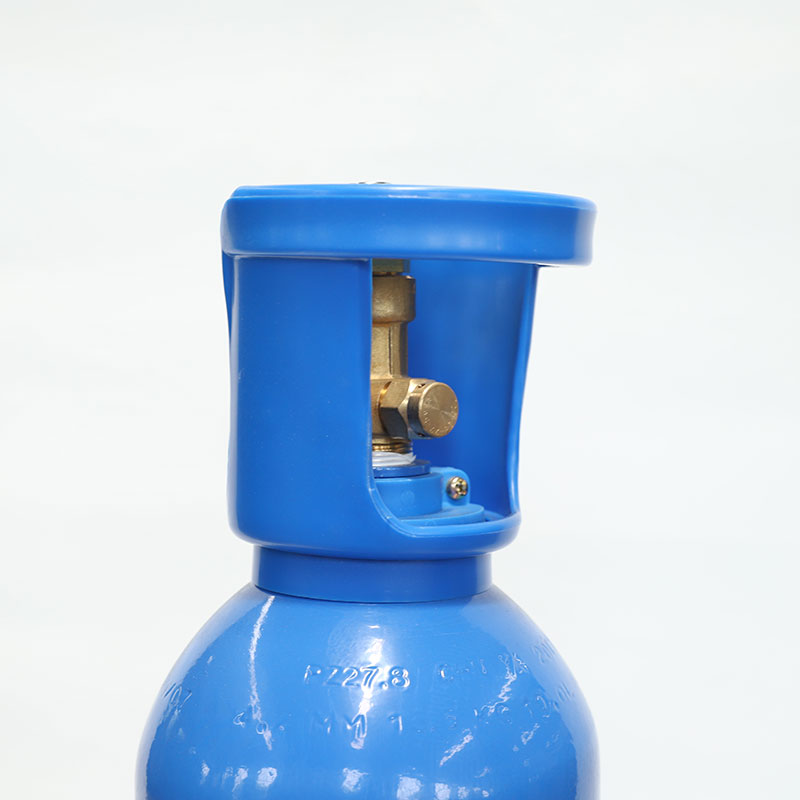
When he asked about swapping to 45kg cylinders he was offered a price of $201, down from the standard price of $208, but had not taken Elgas up on the offer. It was “very gracious when supplying a product that’s grossly overcharged”, he said.
Another Elgas customer in Porirua, saw the price of a 45kg cylinder rise from $134.26 in July last year to $201.71 last month, an increase of 50% in 11 months.
READ MORE: * Choosing gas for new homes could be money down the drain, says Consumer NZ * The end of BBQs or a load of hot air? The proposed ban on natural gas connections * Climate change report: Gasfitters fear for their businesses while consumers rethink installations
Quested said Genesis had offered a price of $110 per 45kg cylinder plus a $5 rental fee, guaranteed for a year.
A spokesperson for Elgas said the company “endeavours to limit the impact of price movements on our customers, however, recent global events have increased LPG pricing across New Zealand”.
“This is due to an unprecedented surge in international LPG prices associated with the impact on global oil and gas supply arising from the Russian military action in Ukraine.
“Other costs, such as fuel required to transport LPG to homes and businesses, have also increased,” the spokesperson said.
The monthly average bill for bottled gas was $116, according to a Canstar survey published in June.
Contact Energy scored top for customer satisfaction out of the five companies in the survey, followed by Rockgas, Trustpower, Genesis and Elgas last.
Trustpower was the only company to get five stars for value for money.
Quested said world energy costs had risen, but the price charged by Elgas went beyond that. He had written to Woods this week asking her to look into the pricing.
“I trust your department will follow on my concerns because this affects thousands of people as well at commercial and industrial users,” he wrote.
A spokesperson for Woods said the minister would not comment, but officials were looking into the issues Quested had raised.
The July benchmark LPG price from Saudi Arabia fell US$25 (NZ$40) to US$725 per metric tonne, about US40 cents per litre or NZ84c. At that price, a 45kg cylinder containing 84 litres of LPG equated to NZ$53.
That compared with a 45kg cylinder costing a household customer $201, or $2.39 per litre.
Quested said LPG played an important part of New Zealand’s power supply network, taking some of the pressure off the national grid.
Elgas is owned by Australian company BOC, which is in turn owned by UK-headquartered industrial gas company Linde, which has annual sales of €26 billion (NZ$43b).
Janet Carson, chief executive of GasNZ which represented the LPG and gas associations, said the wholesale cost of LPG was one aspect of pricing.
Other components included New Zealand emission trading scheme costs, transportation and operational costs, and “similar to other industries, we’re experiencing cost pressures across all of these areas”, she said.
The benchmark Saudi Contract Price hit an eight-year high in April. The price was easing, but at the same time the New Zealand dollar had also weakened against the US dollar.
“LPG companies continue to work hard to minimise the impact of increased LPG costs,” Carson said.
“The price of LPG remains in line with the national average electricity price making it a good choice for cooking, space and water heating, depending on a customer’s location and energy demand.”
There were about 241,455 residential customers and 23,261 commercial customers for bottled LPG.
Canstar New Zealand general manager Jose George said cost was a big driver for people who wanted to use gas. In the Canstar survey about bottled gas, more than a third of the 337 respondents said they used gas for some of their energy because it was cheaper than other options.
“And while gas is popular, there are concerns around its environmental impact, with one in five Kiwis worrying about its harm to the Earth, and more than one in 10 of us working toward a greener energy supply for our homes,” he said.
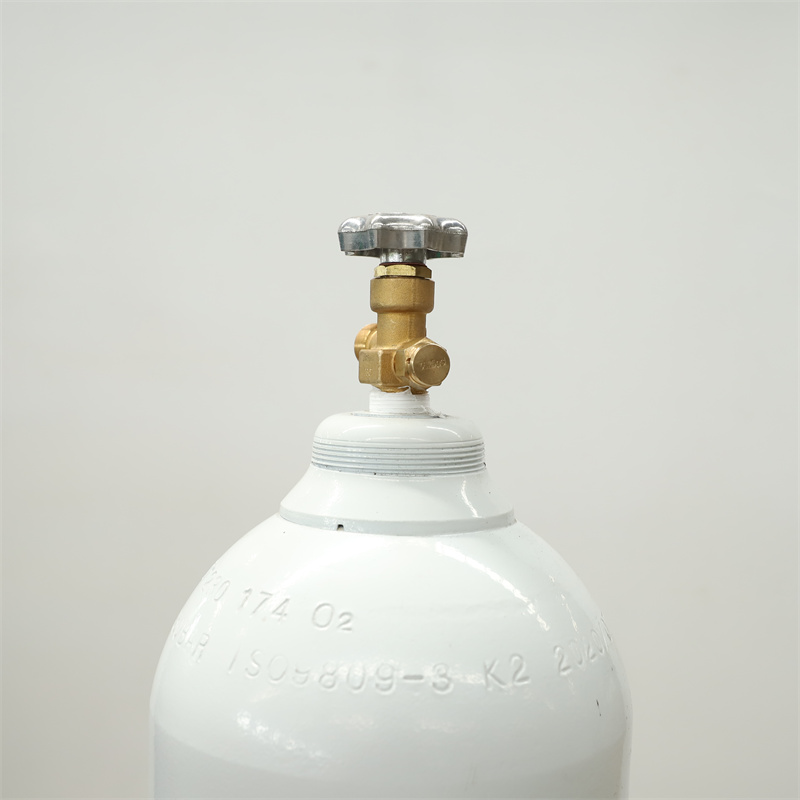
Gas Cylinder Regulator About a fifth (22%) of people had compared gas suppliers online, and 41% were satisfied they got a good deal on their gas.